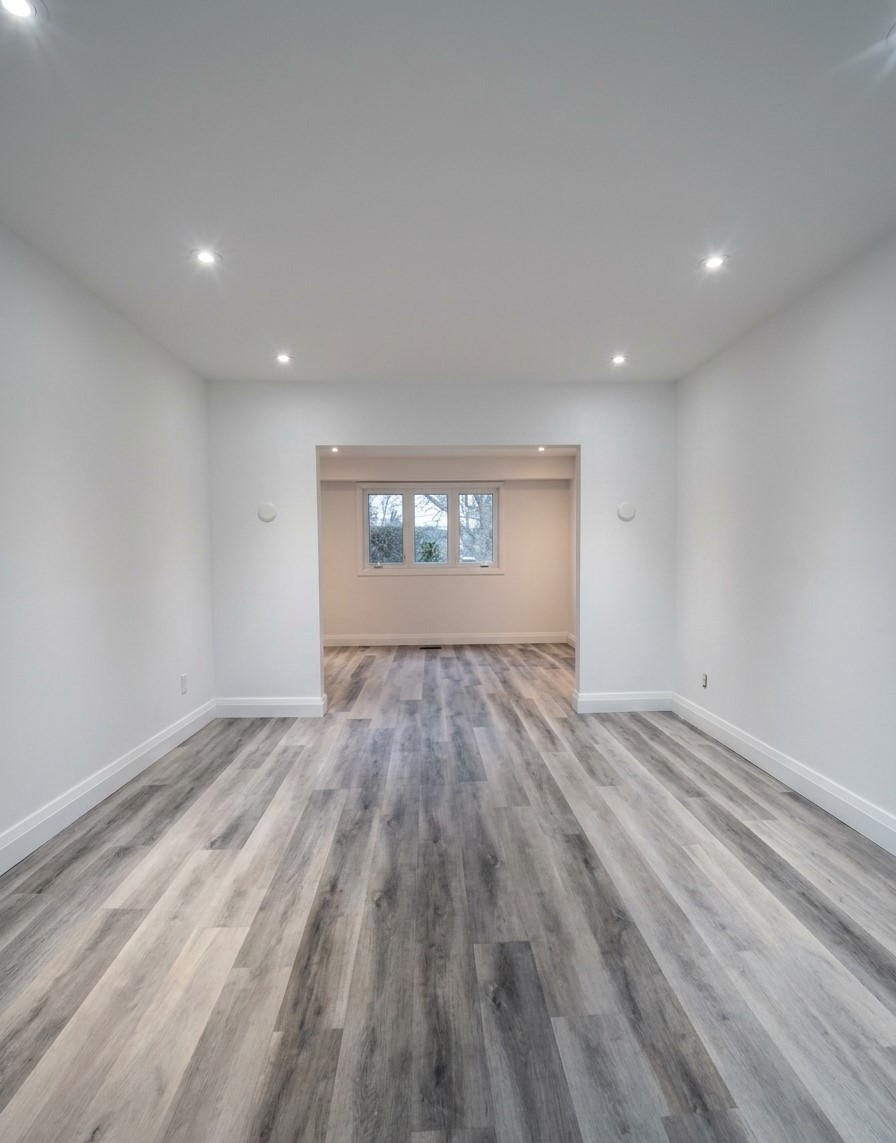
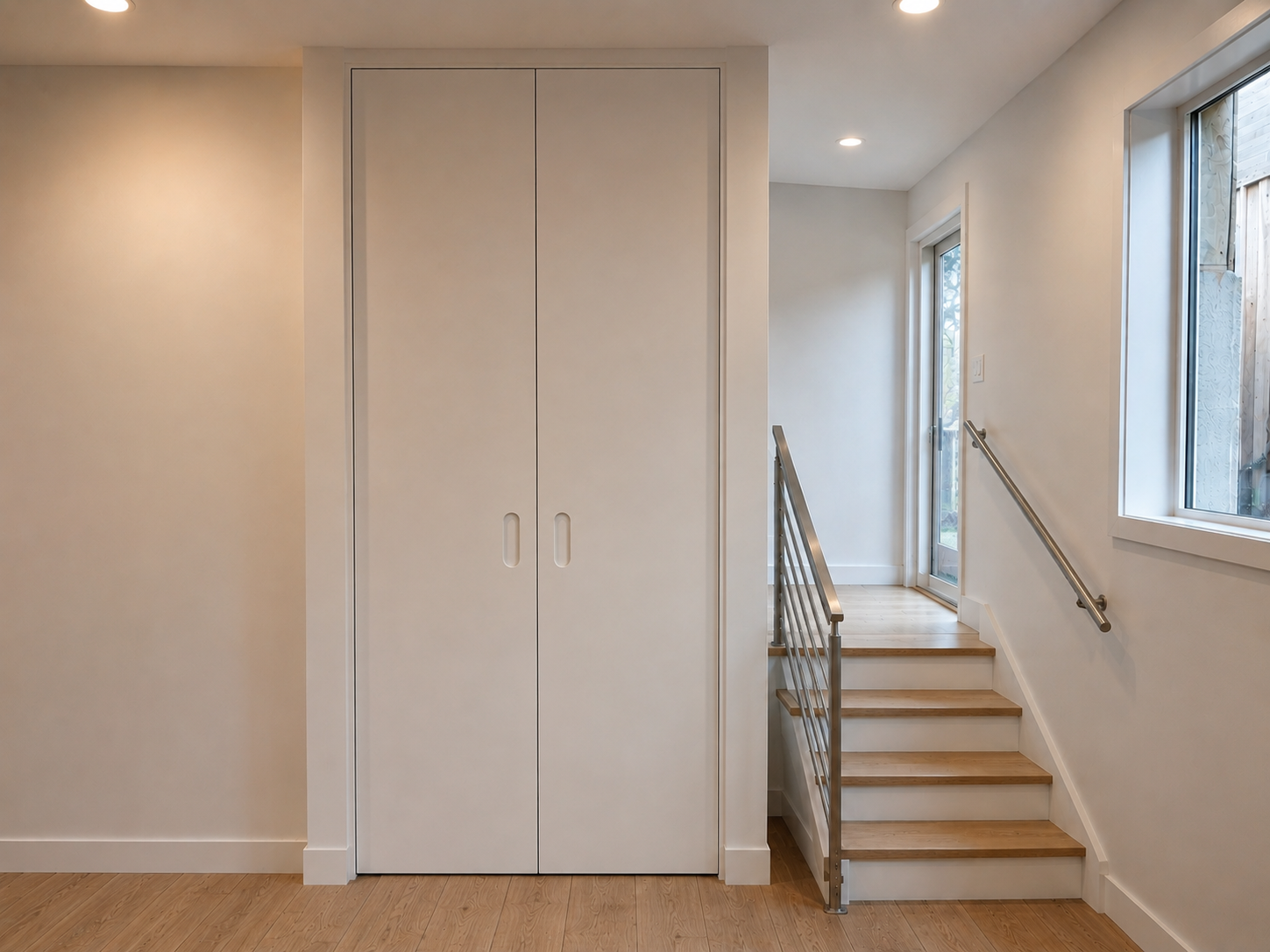
If you’re planning a basement renovation Toronto homeowners often assume it’s a warm-weather project. Something like a deck build or an exterior addition. It isn’t. A basement is an interior space. That means the calendar matters less here than it does for most other renovations. But it isn’t irrelevant either. Timing still affects contractor availability, material lead times, permit turnaround, and how much flexibility you have to negotiate your schedule.
Here’s how each season actually plays out for a basement renovation in the Greater Toronto Area. And what should really drive your start date.
The Quick Answer
There’s no single “best month” that applies to every homeowner. But if you’re optimizing for scheduling ease and contractor availability, late fall through early spring tends to be the easiest window. Roughly November through March. That’s because it’s the slower season for most renovation companies. Kitchens, additions, and outdoor work all ramp up in spring and summer, and basement projects compete for the same crews.
| Season | Pros | Cons |
|---|---|---|
| Winter (Dec–Feb) | Contractors have more open schedule slots; some offer off-season pricing | Material delivery can be slower around the holidays |
| Spring (Mar–May) | Good visibility for any moisture or drainage issues showing up after snowmelt | Highest demand season — booking calendars fill up fast |
| Summer (Jun–Aug) | Long daylight hours, easy access for deliveries | Contractors are stretched across outdoor and interior projects; longer wait times |
| Fall (Sep–Nov) | Strong contractor availability before the holiday slowdown | Projects started late in the season can run into December/January if delayed |
Why a Basement Renovation Is Less Weather-Dependent Than You’d Think
Framing, drywall, flooring, electrical, painting — none of that cares whether it’s snowing outside. The work happens indoors, on a controlled schedule, regardless of season. That’s actually one of the advantages of a basement renovation over an exterior project. You’re not at the mercy of rain delays or frozen ground.
Where the calendar does matter is everything around the renovation. Not the renovation itself.
Contractor demand shifts seasonally. Spring and summer are peak season for renovation companies across the GTA. That’s largely because kitchen, addition, and exterior projects all ramp up at the same time. Basement work competes for the same crews and project managers. So booking during peak season can mean a longer wait to get started, even though the work itself isn’t seasonal.
Material lead times fluctuate. Cabinets, flooring, and custom millwork can have longer lead times during high-demand periods. Supply chain disruptions can add to that too. This isn’t unique to any one season. It’s worth asking your contractor directly about current lead times before you lock in a start date.
Moisture and drainage issues show up more clearly in spring. If your basement has ever had water intrusion, spring is often when it becomes visible. That’s after snowmelt, during the wettest stretch of the year. If you have any concern about moisture, wait until after a spring thaw to do a walkthrough. It can give your contractor better information than a winter walkthrough, when the ground is frozen and issues can stay hidden.
Permits take the same amount of time regardless of season. The review office doesn’t move faster or slower with the weather. The real driver of permit timelines is scope. A standard basement finish typically needs less permitting than a project that adds a bedroom, bathroom, or a secondary suite. Converting your basement into a legal secondary suite is a meaningfully different project than a standard finish, both in cost and in permit timeline. We’ve broken down the legal basement pros and cons in detail if that’s on your radar.
Season-by-Season Breakdown
Winter (December–February)
This is typically the slowest season for renovation demand in the GTA. That works in your favour if flexibility and scheduling are your priority. Contractors are more likely to have open slots, and some offer softer pricing to keep crews working through the slower months. The main friction point is material delivery around the holidays. Expect a short pause or slower lead times in late December.
Spring (March–May)
Spring is peak booking season. Homeowners come out of winter ready to start projects. That means calendars fill up fast, for basements and everything else. If you want a spring start, book your site visit and finalize your scope in late fall or winter. That’s before the rush hits.
Summer (June–August)
Summer keeps the same high demand as spring. Contractors are also juggling outdoor projects, like decks and landscaping-adjacent work, alongside interior ones. That doesn’t make a basement renovation harder to execute. But it can mean a longer wait between your first call and your actual start date.
Fall (September–November)
Fall is a strong window. Demand is lower than spring and summer, but it’s still workable before the holiday slowdown. One thing to watch: start too late in the fall, and a timeline slip can push completion into the December holidays. Not ideal if you want to avoid disruption then.
What Actually Matters More Than the Season
Honestly, the calendar is a secondary factor for basement work. These matter more:
Your budget timing. Are you financing part of the renovation? Timing it around a bonus or tax refund? That should drive your start date more than the season does.
Scope. A standard basement finish and a legal secondary suite conversion are different projects. Different timelines, different permit requirements, different costs. Get clear on your scope before you worry about scheduling around it.
Contractor availability, specifically. A slower season with a booked-up contractor doesn’t help you. Ask directly: “what’s your current lead time from signed contract to start date?” That answer matters more than the month.
Life circumstances. Are you renovating a basement you’re actively using? A rec room, a home office, storage. Plan around what you can live without during the build. Not around the weather.
So, When Should You Start?
If scheduling flexibility and contractor availability are your top priority, late fall through winter is generally the easiest window to book. If you want a spring start specifically, lock in your contractor and scope in the months before. Spring calendars fill up early.
The real answer, though: start the process whenever you’re ready. Site visit, scope review, proposal. That process takes time regardless of season. The renovation itself isn’t weather-dependent. Your booking window is the only thing the calendar actually affects.
Are you in Richmond Hill, Markham, Vaughan, Thornhill, or North York? Northvale Home’s basement renovation team can walk your space and tell you plainly what it would take. Timeline, scope, and cost. You can also browse our full renovation services or get in touch to book a site visit.
This article is intended as general information for GTA homeowners planning a renovation timeline. Contractor lead times, material availability, and permit turnaround vary by company and by year. Confirm current timelines directly with your contractor before finalizing a start date.