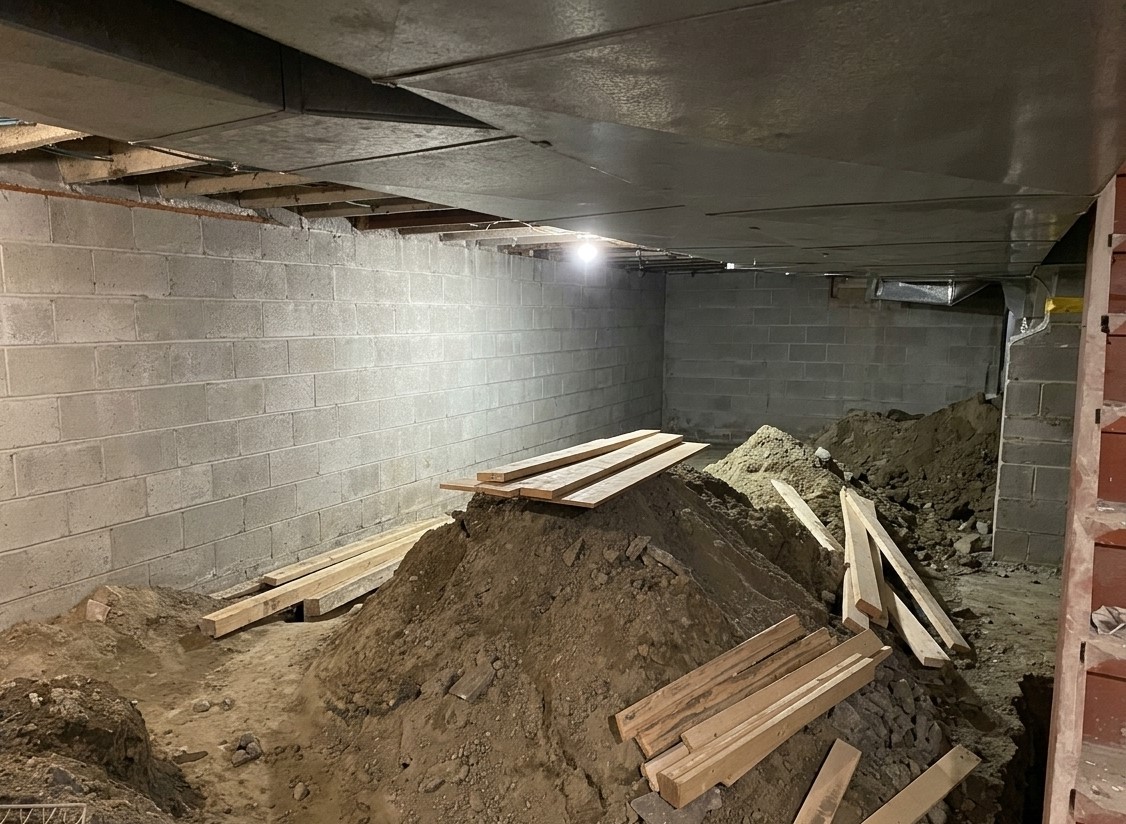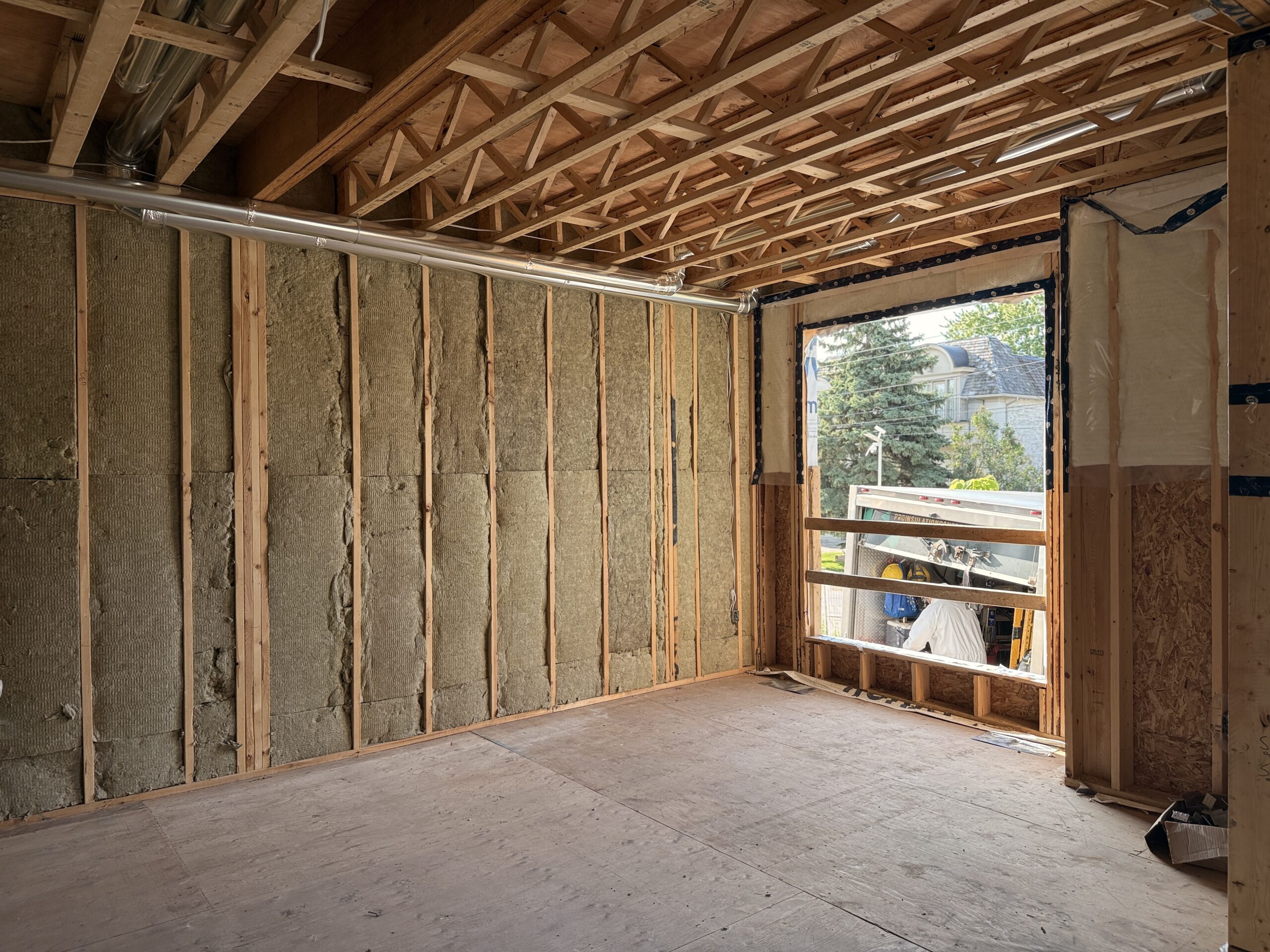
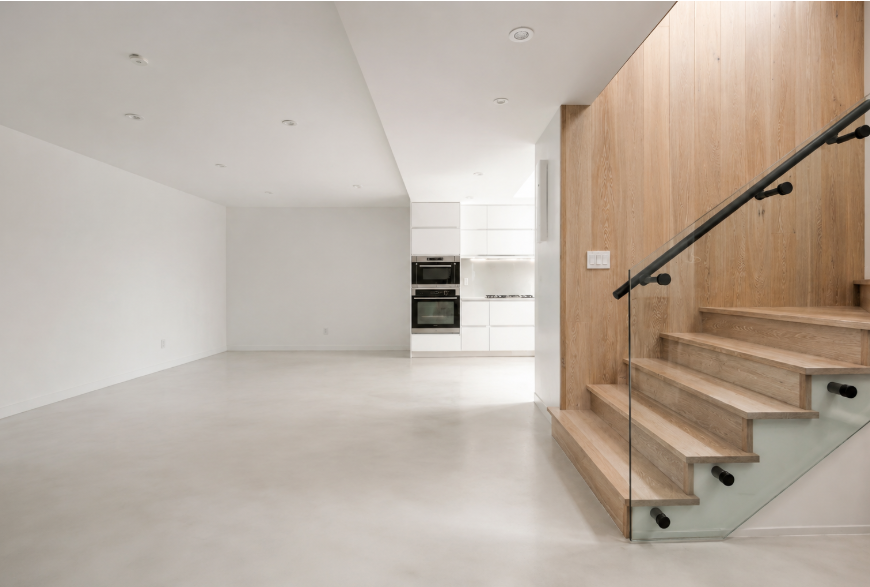
Winter is a popular time to finish a basement in the GTA. Contractors have more openings, your crew works out of the weather, and the new space is ready by spring. But a winter basement renovation brings its own problems. Cold slows drying. The air inside your home gets very dry. Snow and ice make deliveries and site access harder. Any work that involves digging gets a lot more complicated.
Here are the key things to consider before you start a basement renovation in winter, so your project stays on schedule and the finished space holds up for years.
Quick Answer: Is It a Good Idea to Renovate a Basement in Winter?
Yes, for most interior work. Framing, insulation, electrical, plumbing, drywall, flooring and finishes all happen inside your heated home. The things that need extra planning in winter are:
- Keeping the basement warm and dry enough for materials to cure properly
- Controlling humidity and dust while windows stay closed
- Any exterior digging, such as a separate entrance, walkout or larger egress window
- Safe temporary heating and carbon monoxide protection
- Material storage, deliveries and protecting the rest of your home from snow and salt
If you are still deciding when to start, read our guide on the best time for a basement renovation in Toronto. This article covers how to do it right once winter has arrived.
1. Keep the Basement Warm Enough for Drywall and Finishes
This is the factor homeowners most often miss. Drywall compound, adhesives, primer and paint all need a minimum temperature to bond and dry properly. Gypsum manufacturers such as CertainTeed recommend keeping the space at 10°C (50°F) or warmer for at least 48 hours before taping. That temperature should hold until the finishing materials are completely dry.
When a basement gets too cold, especially near an uninsulated foundation wall or an open window well, you can end up with:
- Joint compound that cracks or loses its bond
- Nail pops and visible seams (joint shadowing)
- Paint that dries unevenly or peels
Some heat is good, but too much is also a problem. Industry guidance says temporary heat should not push a room above about 35°C, and the space needs ventilation so moisture can escape. Ask your contractor how they will keep the temperature steady day and night, not only during working hours.
2. Get Insulation and the Vapour Barrier Right Before the Walls Close
Winter shows quickly whether a basement wall was built correctly. When warm indoor air reaches a cold concrete wall, condensation forms behind the drywall. Over time that leads to mould, a musty smell and damaged finishes.
Winter is actually a good time to check the wall system, because you can see where the cold gets in. Before the drywall goes up, make sure your contractor:
- Insulates the full foundation wall, not just the upper half
- Seals and insulates the rim joists, which are one of the biggest sources of drafts in many basements
- Installs the vapour barrier continuously and seals it at the seams, outlets and penetrations
- Uses insulation suited to below-grade walls
For a full walkthrough, read Basement Insulation: What Has to Go Behind the Walls Before You Finish.
3. Check for Moisture Problems That Winter Can Hide
Frozen ground can hide leaks that would show up during spring thaw or heavy fall rain. A basement that looks dry in January may not be dry in April. Before you finish the walls, look for signs of past water problems:
- White, chalky deposits (efflorescence) on the concrete
- Tide lines or stains near the bottom of the walls
- Rust on metal posts or around the floor drain
- Cracks in the foundation wall or floor, especially ones that have been patched before
- Frost or condensation along the rim joist or around the windows
If you find any of these, fix the cause before you finish over it. Repairing a leak after the drywall, flooring and baseboards are in costs far more than fixing it first.
4. Manage Indoor Humidity While Windows Stay Closed
In winter your home is sealed up, the furnace is running, and a renovation adds moisture from drywall mud, paint and sometimes concrete work. Canadian housing guidance generally recommends keeping winter indoor humidity around 30% to 50%. When it is very cold outside, aim for the lower end of that range so you don’t get condensation on windows and cold walls.
Practical steps during a winter basement renovation:
- Put an inexpensive hygrometer in the basement and check it daily
- Run a dehumidifier while drywall and paint are drying
- Run bathroom and laundry exhaust fans if they are already installed
- Turn the furnace humidifier down while the work is underway
Humidity matters for flooring too (see point 6).
5. Control Dust Before It Reaches the Rest of Your Home
In summer you can open windows and push dust outside. In winter your furnace pulls air from the basement and spreads it through the house, and that air can carry drywall dust.
Ask your contractor about their dust control plan. A good one includes:
- Sealing or filtering the return air vents in the work area
- Plastic dust barriers or zip-door walls at the top of the stairs
- Changing the furnace filter during and after the project
- Covering stair treads and the path from the entrance to the basement
- Cleaning up every day, especially when sanding
This matters most if your family is living in the house during the renovation, which most people do.
6. Let Flooring and Materials Acclimate Properly
Materials that sit in an unheated warehouse, truck or garage need time to adjust to your basement before they are installed. Many manufacturers recommend about 48 to 72 hours for laminate and roughly 24 to 48 hours for many vinyl plank products. Solid hardwood usually needs longer. Always follow the specific product’s instructions.
Floors installed too soon can cause:
- Gaps between boards as the material shrinks
- Buckling or peaking when it expands later
- Problems with the flooring warranty
The same applies to other materials. Joint compound and latex paint can be ruined if they freeze, so they should be stored indoors and never left in a cold truck or garage overnight.
7. Use Safe Temporary Heat and Install CO Alarms
Never use a portable propane, kerosene or gas heater inside a home. These heaters can produce carbon monoxide, which you cannot see or smell. If your basement needs extra heat during the work, it should come from the existing HVAC system, electric heaters or equipment designed and vented for indoor use.
Under Ontario Fire Code changes that took effect on January 1, 2026, homes with a fuel-burning appliance, fireplace or attached garage need carbon monoxide alarms on every storey as well as next to sleeping areas. Most GTA basements contain a furnace and water heater, so finished basements, especially ones with a bedroom or a rental suite, should have CO alarms in the plan. The HCRA’s summary of the new CO alarm requirements explains the rules.
8. Plan Carefully for Any Exterior or Excavation Work
Interior work handles winter well. Digging outside does not. If your project includes a separate side entrance, walkout, walk-up stairwell or enlarged egress window, keep in mind:
- Frozen ground is slower and harder to dig, which can add cost and time
- Exposed footings must be protected from frost. Once you dig down beside the foundation, cold can reach soil that is normally protected. Municipalities such as Vaughan require the designer to show how the footing will be protected from frost
- Concrete and waterproofing need suitable temperatures to cure and bond properly
- Snow and ice make the site harder to work on and less safe
Some homeowners split the project: interior finishing in winter, and the separate entrance in spring. Others do everything in winter with proper frost protection and heated enclosures. Either can work if it is planned upfront. This matters most if you are building a legal basement suite, because a separate entrance is often part of what makes a suite legal.
9. Make Sure Your Heating Can Handle the New Space
A finished basement that feels cold will not get used. Before you lock in the layout, think about how the space will be heated:
- Are there enough supply vents and return air paths in the new rooms?
- Can your existing furnace handle the extra finished area?
- Do bedrooms or an office need their own heat source or zoning?
- Would in-floor heating or an insulated subfloor make a bathroom or play area more comfortable?
The advantage of a winter renovation is that you can test this in real conditions. Walk through the framed space on a cold day and you will quickly feel which corners need more heat.
10. Don’t Skip Permits Because It’s the “Slow Season”
Building permits are based on the scope of work, not the season. Structural changes, new plumbing, new walls, HVAC changes and secondary suites usually need a permit and inspections, and electrical work is inspected separately through the ESA. Skipping permits can cause problems with insurance claims, rental approvals and selling your home later.
The best contractors build permit timing into the schedule from day one. Learn more on our permits page, and if you are comparing quotes, see 12 things to check before you sign with a renovation contractor.
Bonus: Protect Your Home from Snow, Salt and Slush
A winter job site means boots, tools and materials coming in from the snow every day. Ask your contractor to:
- Use one entry point, ideally a side or rear door
- Lay down floor protection from the door to the basement stairs
- Keep the walkway shovelled and salted so crews and deliveries are safe
- Bring materials in quickly so they don’t sit in the cold
Winter Basement Renovation Checklist
- ✅ Basement held at 10°C or warmer, day and night, during drywall and finishing
- ✅ Moisture inspection done before walls are closed
- ✅ Full-height insulation, sealed rim joists and continuous vapour barrier
- ✅ Hygrometer and dehumidifier on site
- ✅ Return air vents sealed and dust barriers up
- ✅ Flooring acclimated per manufacturer instructions
- ✅ No fuel-burning portable heaters indoors; CO alarms planned
- ✅ Frost protection plan for any excavation
- ✅ Heating and ductwork reviewed for the new layout
- ✅ Permits applied for and inspections scheduled
Frequently Asked Questions
Can you finish a basement in winter in Ontario?
Yes. Most basement finishing work happens indoors in a heated home, so it can be done safely throughout an Ontario winter. The key is keeping the space warm, dry and ventilated so drywall, paint and flooring perform as intended.
How cold is too cold for drywall?
Drywall manufacturers recommend keeping the room at 10°C (50°F) or warmer for at least 48 hours before taping. That temperature should hold until joint compound and finishes are fully dry.
Is winter a cheaper time to renovate a basement?
It can be. Winter is often a slower season for renovation contractors, so availability tends to be better. Pricing depends on the contractor, the scope and material costs. Get an itemized quote so you can compare accurately.
Can you add a separate basement entrance in winter?
It is possible, but it needs extra planning. Excavating in frozen ground is harder, and the exposed foundation footing must be protected from frost. Many homeowners schedule the entrance work for spring and do the interior finishing in winter.
How long does a basement renovation take in winter?
The timeline depends mostly on scope, permits and material availability, not the season. Drying times can run slightly longer in cold, dry conditions, so a good contractor builds that into the schedule.
Plan Your Winter Basement Renovation with Northvale Reno
Northvale Reno finishes basements and builds legal basement suites across Toronto and York Region, including North York, Scarborough, Vaughan, Richmond Hill and Markham. One crew handles your project from start to finish. You get an itemized, fixed-price quote, and we handle the permits.
See how we plan and run every job on our How We Work page, browse completed projects in our portfolio, or explore financing options to spread out the cost.
Ready to get started? Book your free on-site estimate or call (647) 991-9222.